 Loading... Please wait...

Premium Service Since 1999
Storewide Sale - Save 20%
Ashwagandha Root: Forms, Sourcing, and What to Look For
Posted by Tattva's Herbs on 8th Oct 2026
Tattva’s Herbs · Last updated October 8, 2026
Why the Plant Part Matters More Than the Brand
Walk into any wellness aisle and you will see ashwagandha in capsules, gummies, tinctures, and flavored drinks. The label almost never tells you what part of the plant you are buying.
Ashwagandha root is the dried root of Withania somnifera, a small shrub long used in Ayurveda, the traditional medicine system of India. At Tattva’s Herbs, we have sold Ayurvedic herbs for more than 26 years, and the questions we hear most often are about form: root or extract, and what each one delivers.
The root is the traditional part used in Ayurveda, not the leaf. That is why the plant part, not the brand name, is the first thing to check on any label.
Key takeaway: The single most useful label check is the plant part. If a product does not state “root” clearly, assume you do not know what you are getting.
The Main Forms of Ashwagandha Root
Ashwagandha root reaches shoppers in three common forms:
- Root powder. The dried root, ground fine. It can be stirred into warm drinks, blended into smoothies, or filled into capsules.
- Cut and sifted root. The same dried root, chopped into small pieces and screened for consistency, with no grinding step. It is meant for steeping as a tea.
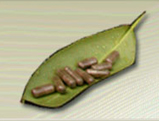
- Root extract. Root processed with water, alcohol, or CO2 to concentrate certain compounds, then dried. It is usually found in capsules.
|
Form |
Often found as |
Preparation |
What to know |
|
Root powder |
Loose powder, capsules |
Stir, blend, or swallow |
Whole dried root, ground |
|
Cut and sifted root |
Loose tea cut |
Steep 5–10 minutes, strain |
Coarse pieces, for tea |
|
Root extract |
Capsules |
Measured capsule |
Concentrated; check the label |
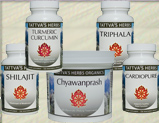
Tattva’s Herbs offers ashwagandha as capsules, and some of our oils also include it. The rest of this guide explains how to read any label so you can compare products fairly, ours included.
Ashwagandha Root vs Extract: What the Label Is Really Telling You
Root versus extract comes down to one question: how much processing happened between the farm and the package. Root powder is the dried root, ground. Extract is the root processed with a solvent or another method to concentrate specific compounds, then dried or standardized. Neither is automatically better. They serve different purposes, and the label tells you which one you are holding.
The three things to check on an extract label
- The ratio. A “10:1” extract means ten parts raw root went in for one part extract out. Higher ratios generally mean more processing and less of the original whole root in the finished powder.
- The standardization. “Standardized to 5% withanolides” means the maker adjusted the batch so that 5% of the finished weight is withanolides, the group of compounds most often studied in ashwagandha research. This makes dosing more predictable, but says nothing about what else was removed.
- The extraction method. Water, ethanol, and supercritical CO2 are the common methods. Supercritical CO2 is solvent-free: pressurized carbon dioxide pulls compounds out and then releases as a gas, leaving no residue.
A whole root powder label, by contrast, usually carries none of these. It lists one ingredient: ashwagandha root.
|
What the label says |
What it usually means |
What to check next |
|
“Ashwagandha root powder” |
Dried root, ground, no concentration step |
Where it was grown, and batch testing |
|
“Ashwagandha root extract 10:1” |
Ten parts root reduced to one part extract |
The extraction method, and whether whole root is also present |
|
“Standardized to 5% withanolides” |
Batch adjusted to a target compound level |
Whether the ratio is disclosed |
|
“Ashwagandha” with no plant part |
Unknown: could be leaf, root, or a blend |
Ask the seller before buying |
How to compare fairly
The mistake most shoppers make is comparing a scoop of powder to a capsule of extract. They are not equivalent. Compare the cost per day of actual use, not the cost per gram.
How we make our capsules
We combine CO2 extracts with whole raw herbs in our own products, for exactly this reason: concentration where it helps, whole plant where tradition calls for it. Our ashwagandha capsules pair a measured extract with whole root, which gives a predictable compound level and the broader spectrum of the dried root at once. Ask any seller whether they do the same, and why.
Watch out: A higher withanolide percentage does not automatically mean a better product. A high number can mean heavy processing, and it tells you nothing about sourcing, purity, or where and how the root was grown.
How to Check Sourcing and Quality
A label can tell you very little about where a root came from or how it was handled after harvest. Sourcing transparency is something you can check rather than take on faith.
Three steps for reading any herb label
- Read the ingredient list. The label should name the plant and the part used (root, leaf), the form (powder, capsule, extract), and the amount per serving.
- Ask where it was grown. A named country or region tells you more than “product of India,” and a named farming partner tells you more still.
- Ask for the batch test. A test report tells you what is in the package in front of you, which a label alone cannot.
What a batch test should cover
- Heavy metals: lead, arsenic, cadmium, and mercury are the four most commonly screened.
- Pesticide residue: a panel covering the pesticides most likely to appear on the crop.
- Microbiological limits: total plate count, yeast and mold, and screening for pathogens such as Salmonella and E. coli.
If a seller cannot tell you what a batch test covers, that is your answer. A company that tests will say so plainly. At Tattva’s Herbs, we lab test for quality and purity.
Reading origin claims
A named region is more useful than a country, and a named farming partner is more useful still, because it tells you the company knows who grew the root rather than buying on an open market. Before you buy, ask whether the label names the country or region of origin, whether the product is batch tested, and whether the company describes its farming partners.
Ashwagandha and Medications: Who Should Ask a Doctor First
Ashwagandha interactions with medications are a real consideration, not a marketing footnote. Anyone taking prescription medication, pregnant or nursing, scheduled for surgery, or managing a thyroid condition should talk to a healthcare provider before starting ashwagandha.
If you take thyroid medication, sedatives, blood pressure medication, or immunosuppressants, ask first. If you are healthy and not on medication, follow the directions on the label and start with the lowest suggested serving.
Tip: Bring the actual product label to your appointment, not just the word “ashwagandha.” Your provider needs the plant part, the form, and the daily amount to give you a useful answer.
Price, Package Size, and Real Value per Serving
Price per package tells you almost nothing. Here is the formula we suggest:
Cost per serving = package price ÷ number of servings in the package
A larger package usually costs less per serving, but only if you will finish it before it loses quality. A concentrated extract may cost more per gram but be taken in a smaller serving. Compare the cost per serving, check the plant part, and look for batch testing.
How to Use Ashwagandha: Capsules and Oils
Capsules
- Follow the directions on your label, and start with the lowest suggested serving.
- Consistency matters more than large amounts. Daily use is how ashwagandha has traditionally been taken.
- Take it with food if it upsets your stomach.
- Keep the container sealed and out of direct light.
Oils
Some of our oils include ashwagandha. Oils are for external use only. They are traditionally used in massage. Test a small patch of skin first, follow the directions on the label, and do not take them by mouth.
Conclusion: Choosing Root You Can Trust
The hard part of buying ashwagandha is not finding it. It is finding a product where the label, the testing, and the sourcing all line up. Most confusion comes from one missing detail: what part of the plant is actually in the package. Check the plant part, ask about sourcing and testing, and compare by cost per serving.
At Tattva’s Herbs, we have sold Ayurvedic herbs for over 26 years, and we lab test for quality and purity.
Frequently Asked Questions
Which form of ashwagandha is right for me?
Neither root nor extract is better in every case. Root powder is the whole dried root. Extract is concentrated, so it is taken in a smaller serving. Our capsules combine both. Read the label for the plant part and the form, and ask the seller if anything is unclear.
What should I look for when buying ashwagandha?
Check four things: the botanical name Withania somnifera, the plant part (root), the country or region of origin, and whether the seller states batch testing for purity.
Is ashwagandha safe to take with medications?
Ashwagandha can interact with thyroid medications, sedatives, blood pressure drugs, and immunosuppressants, and it may not be appropriate during pregnancy. If you take prescription medication, have an autoimmune or thyroid condition, or are scheduled for surgery, talk to your doctor or pharmacist before adding it to your routine.
How can I check the quality of an ashwagandha product?
Check that the seller names the plant part and the region it came from, and ask about batch testing. A seller who answers sourcing and testing questions directly is a good sign.
Are ashwagandha oils meant to be taken by mouth?
No. Our oils are for external use only. Follow the directions on the label, and test a small patch of skin first.
Shop our ashwagandha capsules: https://www.tattvasherbs.com/ashwagandha-full-spectrum-co2-extract-500-mg-240-vegetarian-capsules-2-pack-120ct-ea

Sign up to our newsletter
Get in touch
- Tattva's Herbs LLC
9634 Roosevelt Way NE
Seattle, WA 98115
Retail Store Hours: 10am-4pm M-F email: info@tattvasherbs.com phone: 877-828-8824


© 2026 Tattva's Herbs | All Rights Reserved |
*These statements have not been evaluated by the FDA. These products
are not intended to diagnose, treat, cure, or prevent any disease.|
Sitemap |
*The testimonials presented on TattvasHerbs.com are applicable to the individuals writing them, and may not be indicative of future performance or success of any other individuals. Tattvas Herbs cannot and does not guarantee results.